Automation decision
Choose from the work content, not the label
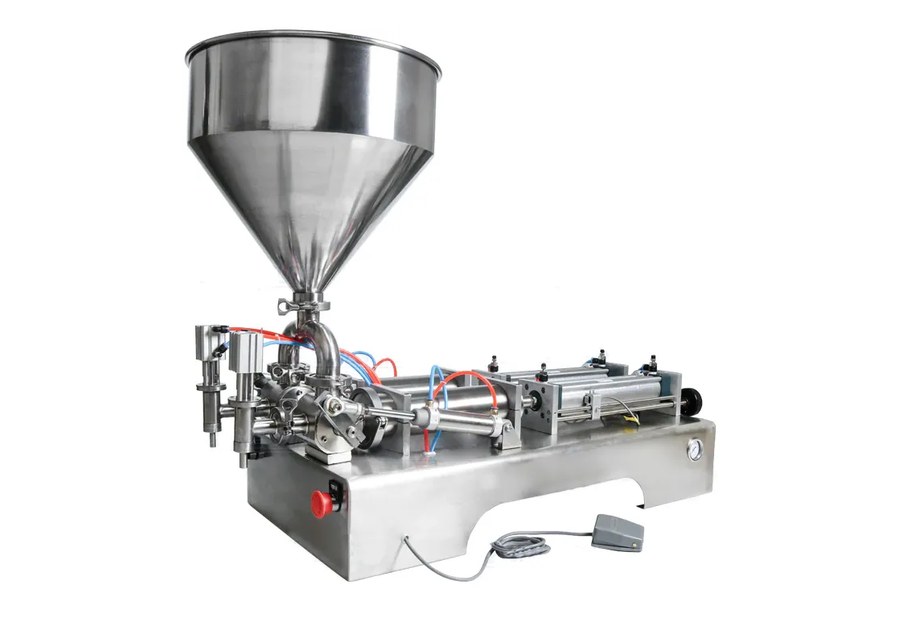
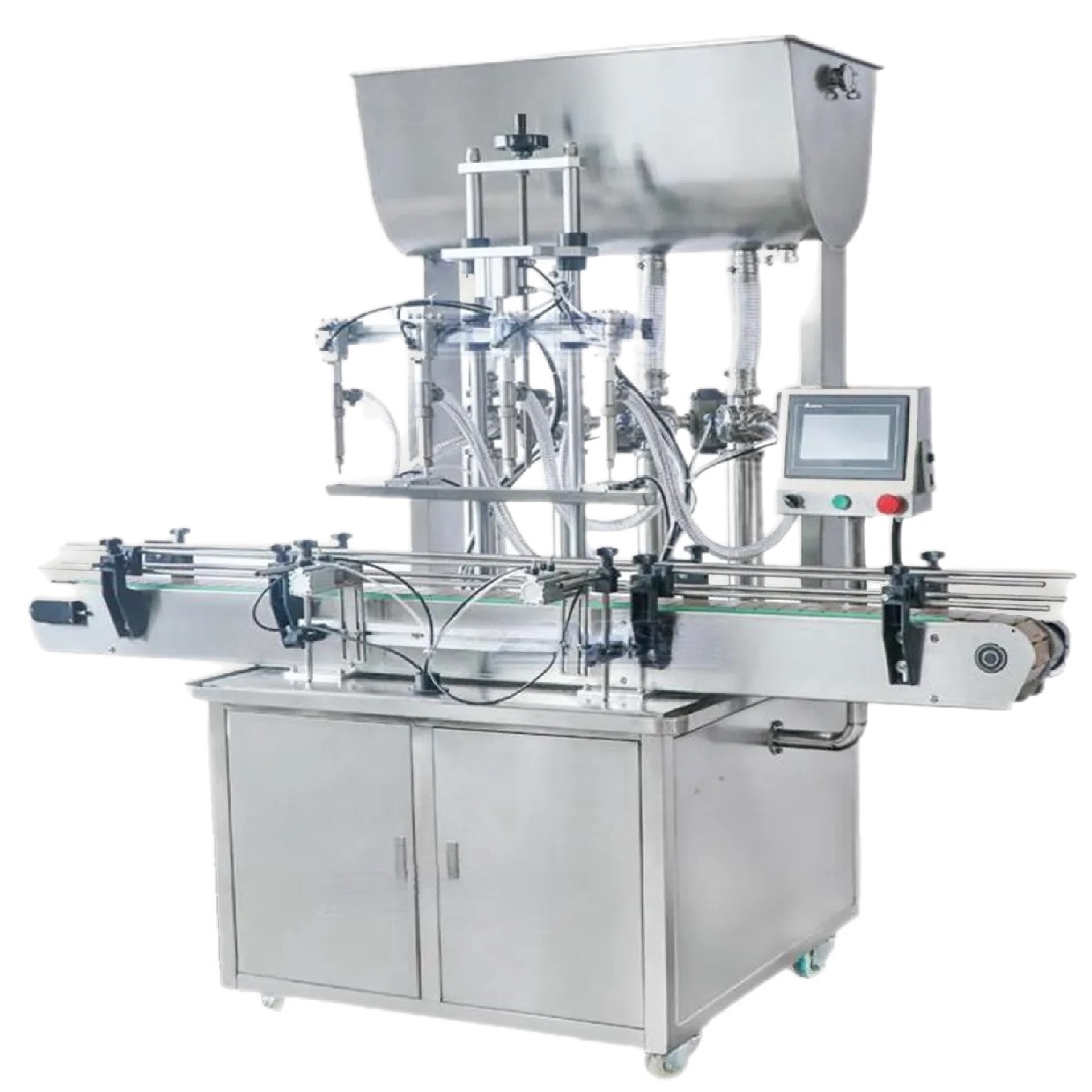
“Semi-automatic” and “automatic” describe bottle handling and cycle initiation more than filling quality. Both can use the same fundamental dosing technology. The business case depends on batch pattern, labour, output, ergonomics, changeover and integration.
Side-by-side comparison
| Factor | Semi-automatic | Automatic |
|---|---|---|
| Bottle handling | Operator loads and removes bottles, often one or two per cycle. | Conveyor, sensors and gates index bottles under one or more nozzles. |
| Best fit | Shorter batches, varied packs, lower output and staged growth. | Repeat batches, sustained output and integration with other line stages. |
| Changeover | Usually fewer guide and conveyor adjustments. | Can use recipes but also needs bottle-control and line change parts. |
| Labour | Higher direct bottle handling; flexible operator judgement. | Lower repetitive handling at the filler; staff still replenish, inspect and pack. |
| Footprint | Compact machine and workbench area. | Conveyor, guarding, accumulation and access increase space. |
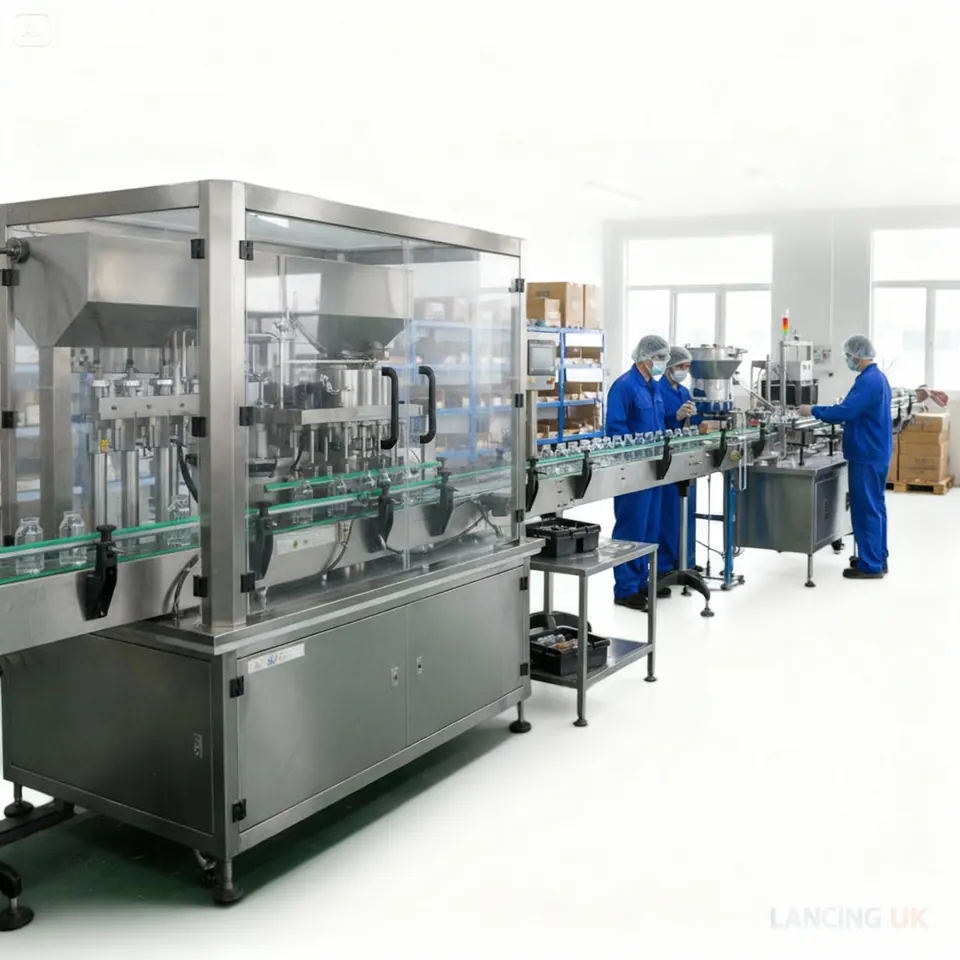
| Integration | Manual transfer or limited connection to adjacent machines. | Designed to exchange bottles and controls with infeed, closing and labelling. |
| Investment | Lower entry cost and simpler installation in many cases. | Higher capital and engineering scope, justified by repeat production demand. |
Calculate the real weekly capacity
Do not multiply a peak cycle rate by shift hours. Use a production model that includes product set-up, priming, bottle and closure replenishment, breaks, cleaning, recipe changes, label changes, inspection and normal stops.
Example method: weekly good bottles = available production minutes × demonstrated sustained rate × expected line availability − planned samples and start-up rejects.
When semi-automatic is often the stronger choice
- Demand is uncertain or products are still being launched
- Batches are short and product or bottle formats change frequently
- An operator must inspect or manipulate each pack
- Floor space, utilities or capital are constrained
- The fill stage is the main manual bottleneck but downstream operations remain manual
When automatic filling becomes more compelling
- The same pack runs for long enough to recover changeover time
- Repetitive bottle handling limits output or creates ergonomic risk
- Capping, sealing and labelling must run at a controlled takt
- A defined sustained output is needed across shifts
- Bottle infeed and finished-pack handling can support the line
Consider a staged line
A practical growth plan can start with a semi-automatic filler and manual closing, then add conveyorised filling, capping or labelling as demand becomes repeatable. The key is to plan floor layout, product supply, utilities and bottle specifications early enough that useful equipment can be retained.
Questions for the investment comparison
- What is the demonstrated sustained rate on the actual product?
- How long does a full product-and-bottle changeover take?
- What work remains before and after the filler?
- How many operators are needed for replenishment, inspection and pack-out?
- What line availability is realistic for the batch pattern?
- What service, spares and training are included?
- Can the business supply consistent bottles, closures and product at the target rate?