Tubing selection
Material, internal diameter, wall thickness and service life must suit the product and pump head.

Bottle filling machinery
Tubing-based filling for applications that benefit from a defined product-contact path, straightforward product changeover and precise control of smaller doses.

Application fit
The machine should be selected as a complete product-and-pack system, not from fill volume alone.
Specification priorities
The same nominal fill volume can require a very different solution when product behaviour, pack geometry or cleaning changes.
Material, internal diameter, wall thickness and service life must suit the product and pump head.
Pump speed, revolutions and tubing dimensions determine the practical dose range and cycle time.
Small openings require accurate nozzle positioning, bottle stability and controlled cut-off.
Applications with formal hygiene or process validation need documented tubing, cleaning and change-control procedures.
Filling routes
Use the filling principle as a shortlist, then verify it with the actual formulation and representative bottles. Headline technology names do not replace product trials.
| Configuration | Practical role |
|---|---|
| Tube compression | Rollers compress flexible tubing and move a defined product segment towards the nozzle. |
| Isolated product path | The liquid contacts the selected tubing and nozzle path rather than internal pump gears or a piston cylinder. |
| Electronic dosing | Pump revolutions and speed are set through controls or saved recipes. |
| Multi-channel filling | Several pump heads can dose bottles simultaneously on an automatic conveyorised platform. |
Published reference
These figures describe a cited source configuration, not every machine available for this application.
Reference configuration only: published capacities and specifications below are taken from a representative published source page. Product testing, bottle geometry, fill volume, number of heads and line conditions determine the final specification.
Typical products
These examples indicate where the route may be considered; the actual product and container still need to be reviewed.
A potential application for peristaltic fillers, subject to product and pack assessment.
A potential application for peristaltic fillers, subject to product and pack assessment.
A potential application for peristaltic fillers, subject to product and pack assessment.
A potential application for peristaltic fillers, subject to product and pack assessment.
A potential application for peristaltic fillers, subject to product and pack assessment.
A potential application for peristaltic fillers, subject to product and pack assessment.
Project route
A structured review prevents the filler, bottle control and downstream machines from being specified in isolation.
Confirm viscosity, foam, particles, temperature, compatibility and cleaning.
Review bottles, necks, closures, labels and stability using representative samples.
Agree batch size, target rate, operators, changeovers and future growth.
Freeze layout, interfaces, utilities, guarding, tests, installation and training scope.
Related planning
Use these pages to compare adjacent machine routes and prepare a more accurate enquiry.
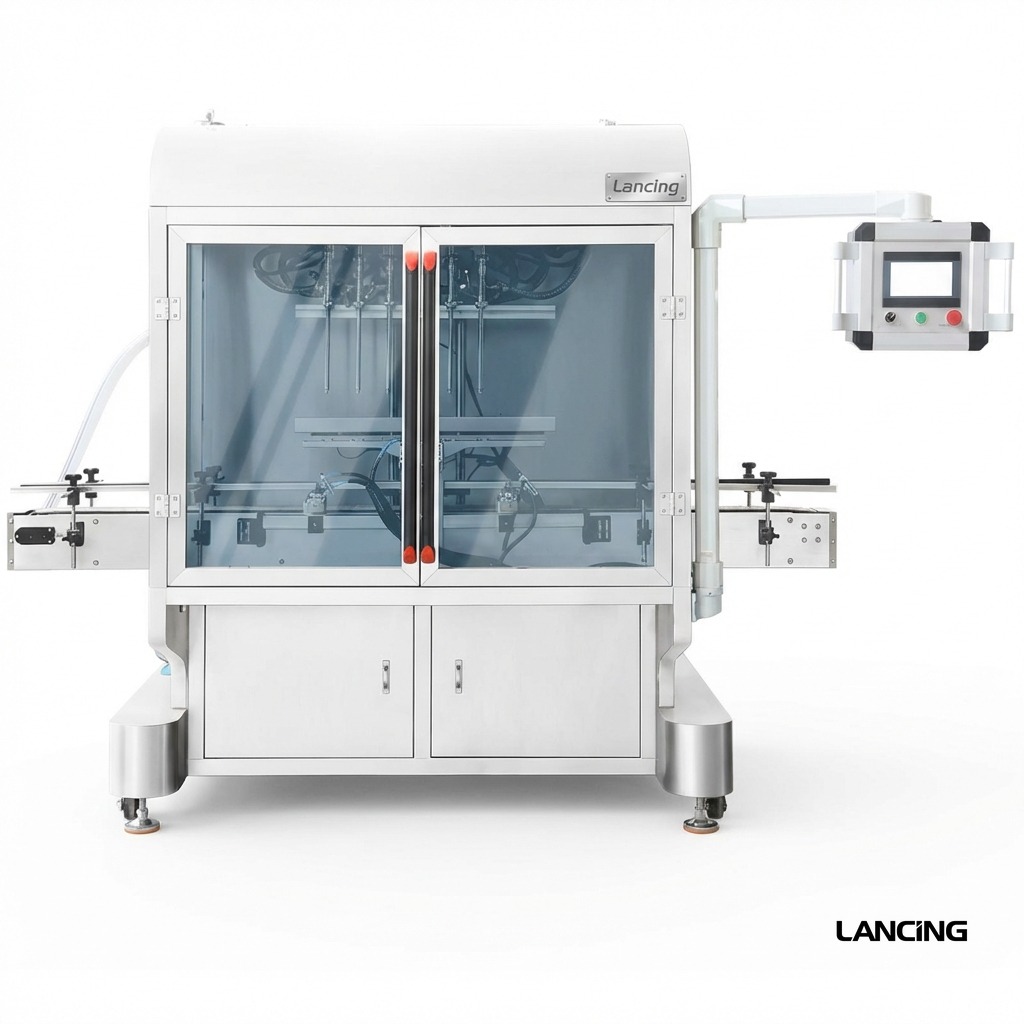
Compare pump, peristaltic, volumetric and fill-to-level routes.
Explore Liquid bottle fillersPack and process planning for narrow-neck, low-volume products.
Explore Pharma & small-dose filling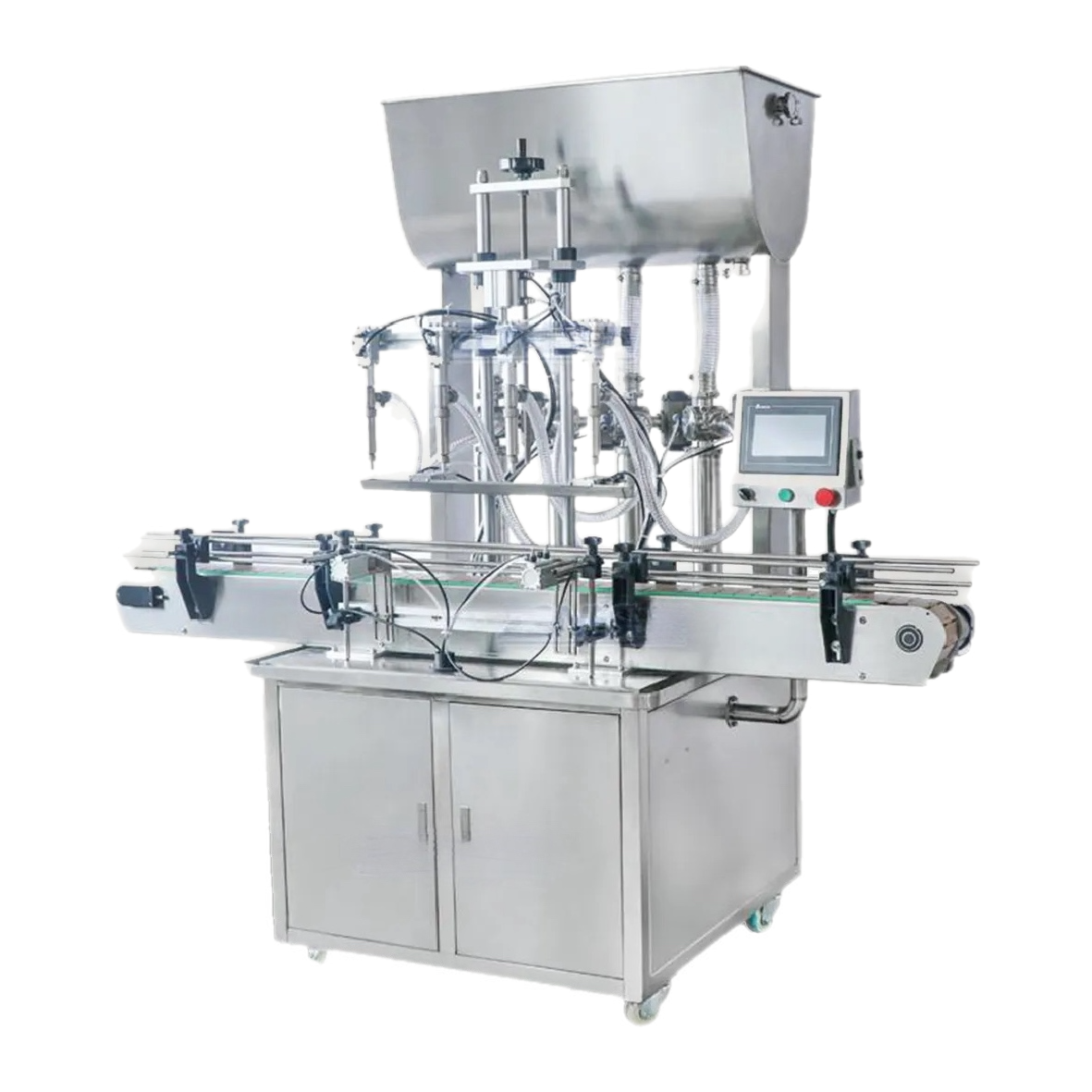
Understand the practical differences before testing.
Explore Filling principles comparedQuestions
Practical answers for early project planning.
Clean, pumpable liquids that are compatible with available tubing are typical candidates. Viscosity, particles, solvent compatibility and required flow should be checked.
The product is carried inside the tubing, so it does not contact the pump head mechanism. It still contacts the selected tubing, nozzle and any upstream feed components.
Replacement interval depends on tube material, pump speed, compression, chemical compatibility and operating hours. It should be treated as a planned consumable and checked during commissioning.
Yes. Multi-head peristaltic pumps can be integrated with bottle sensors, conveyor indexing and automatic nozzle movement.
Lancing Ltd can compare the practical bottle filling routes and confirm the right next step before quotation.
Small-dose pack interface
Peristaltic filling can isolate the product within replaceable tubing, but the bottle still determines nozzle clearance, positioning, splash risk and the time available for clean cut-off. Small packs often need more precise location than larger bottles.
Confirm compatibility, expected tube life, priming behaviour and the effect of product temperature or viscosity.
Check the smallest opening, insertion depth and whether the bottle requires a nest or puck.
Separate tube replacement, recipe selection, priming and bottle-guide adjustments into a repeatable procedure.
These guides isolate the pack variables that can change an otherwise suitable filling-machine route.