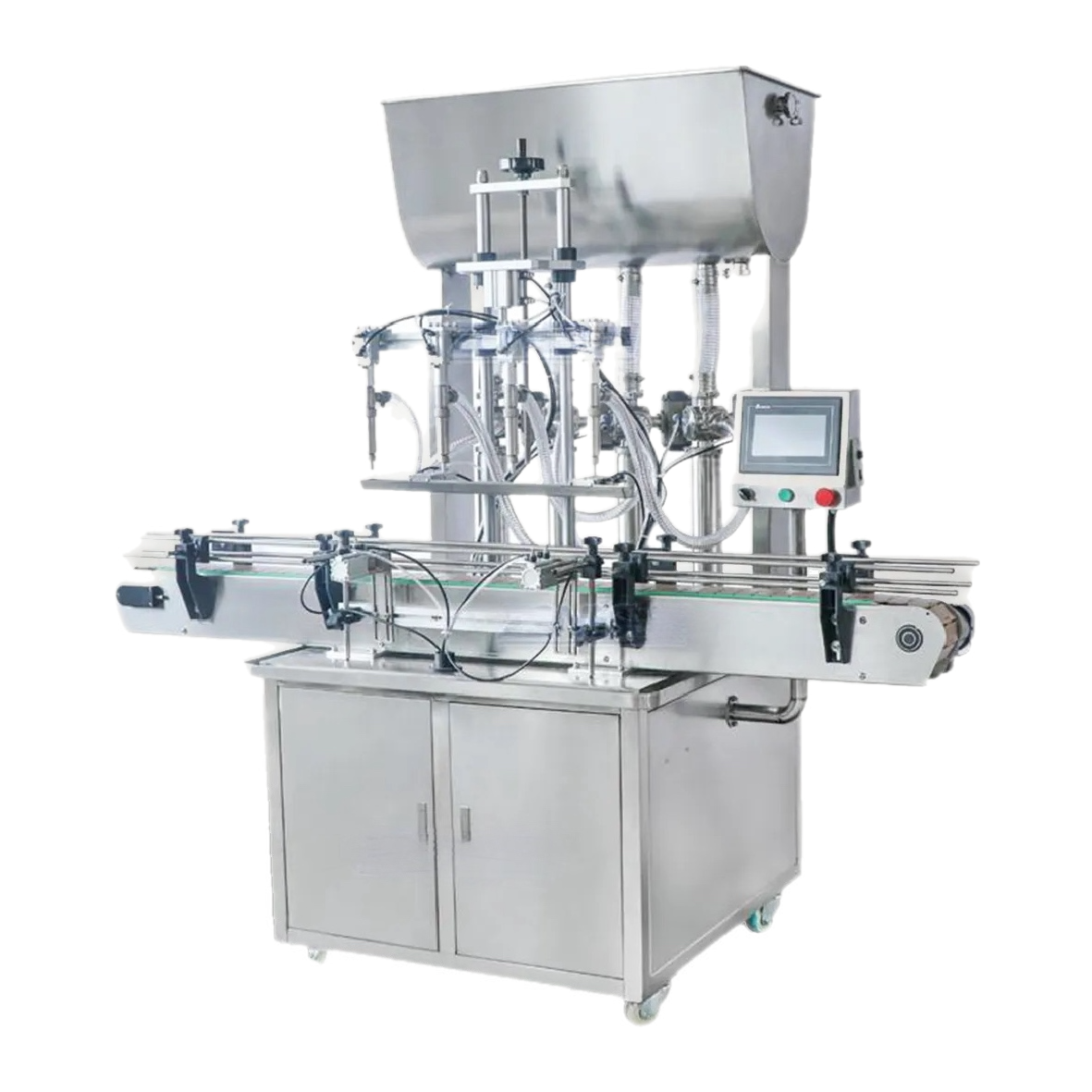
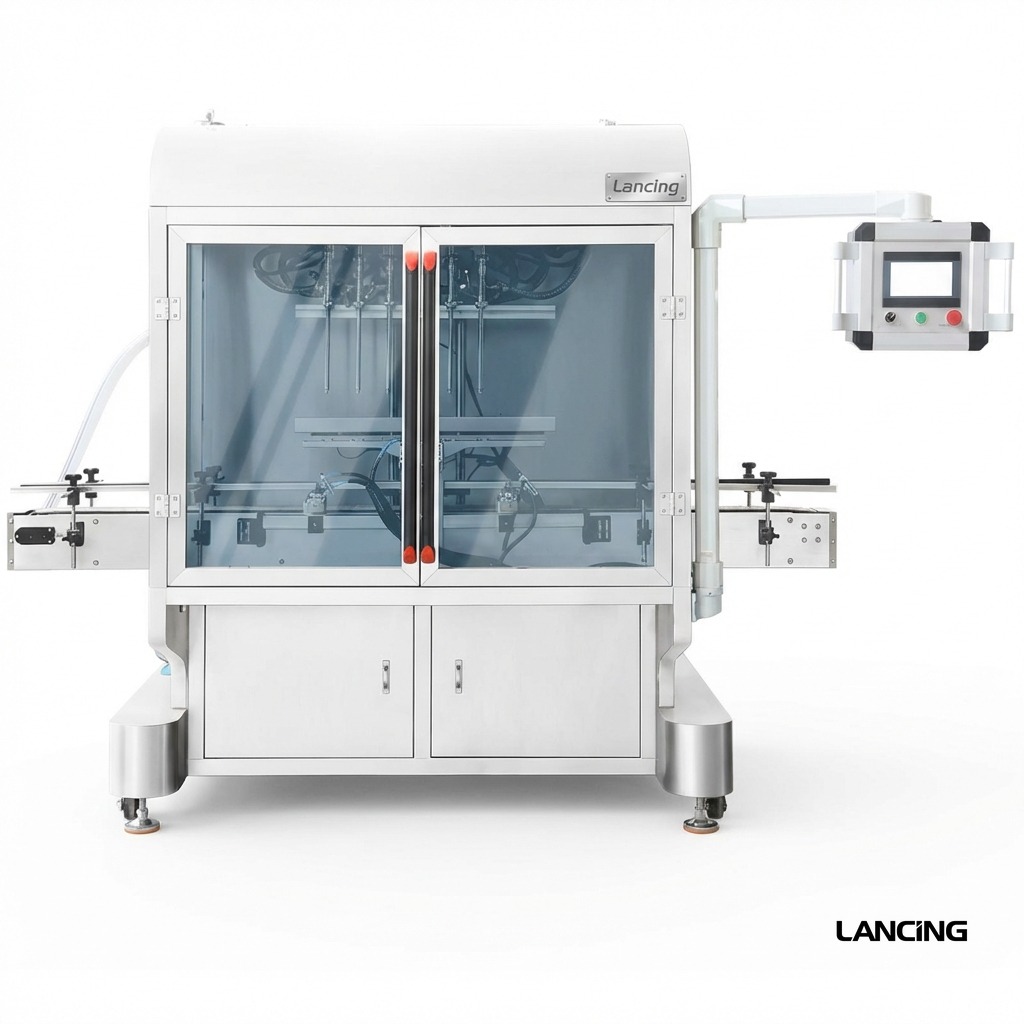
Liquid Bottle Filling Machines
Bottle fillers for water-like liquids, oils, detergents, cosmetics and other pourable products, selected around viscosity, foam, drip control, bottle stability and output.
Explore Liquid Bottle Filling MachinesBottle filling machinery
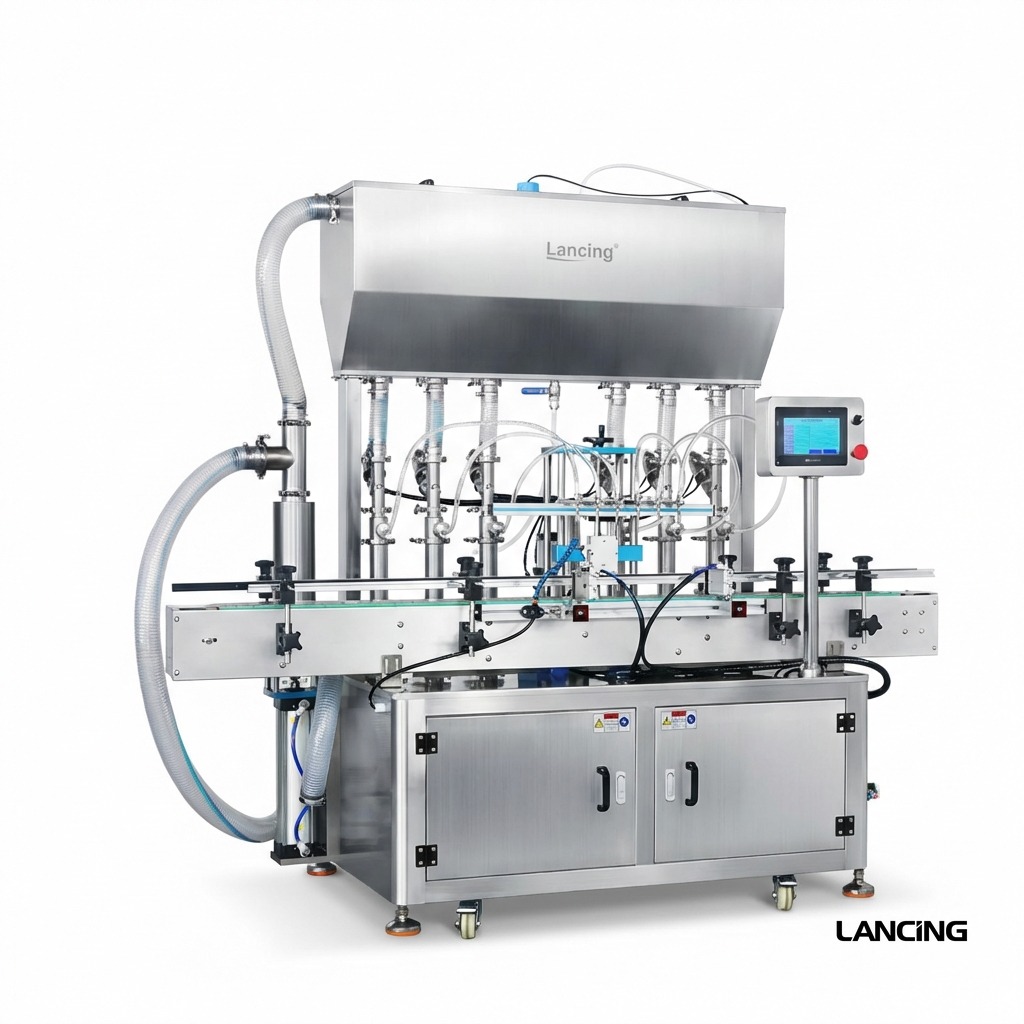
Compare filling principles and automation levels for liquids, pastes, chemicals, small bottles and complete bottling lines.

All machine routes
Each page explains the likely fit, selection risks and information needed for a useful quotation.

Bottle fillers for water-like liquids, oils, detergents, cosmetics and other pourable products, selected around viscosity, foam, drip control, bottle stability and output.
Explore Liquid Bottle Filling Machines
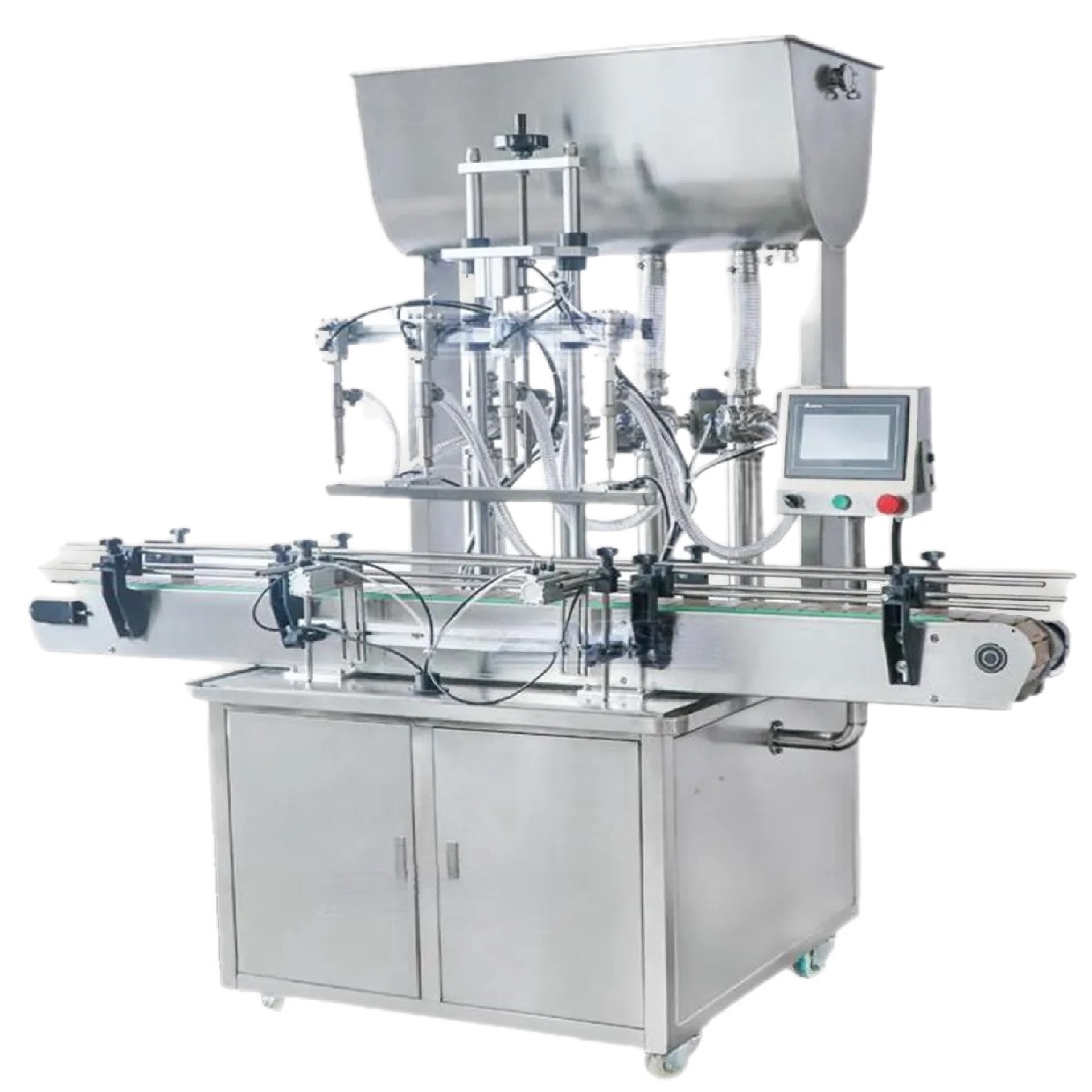
Filling systems for creams, gels, sauces, adhesives and other thick products where feed method, valve design, nozzle cut-off and cleaning matter as much as the nominal fill volume.
Explore Viscous & Paste Bottle Filling Machines
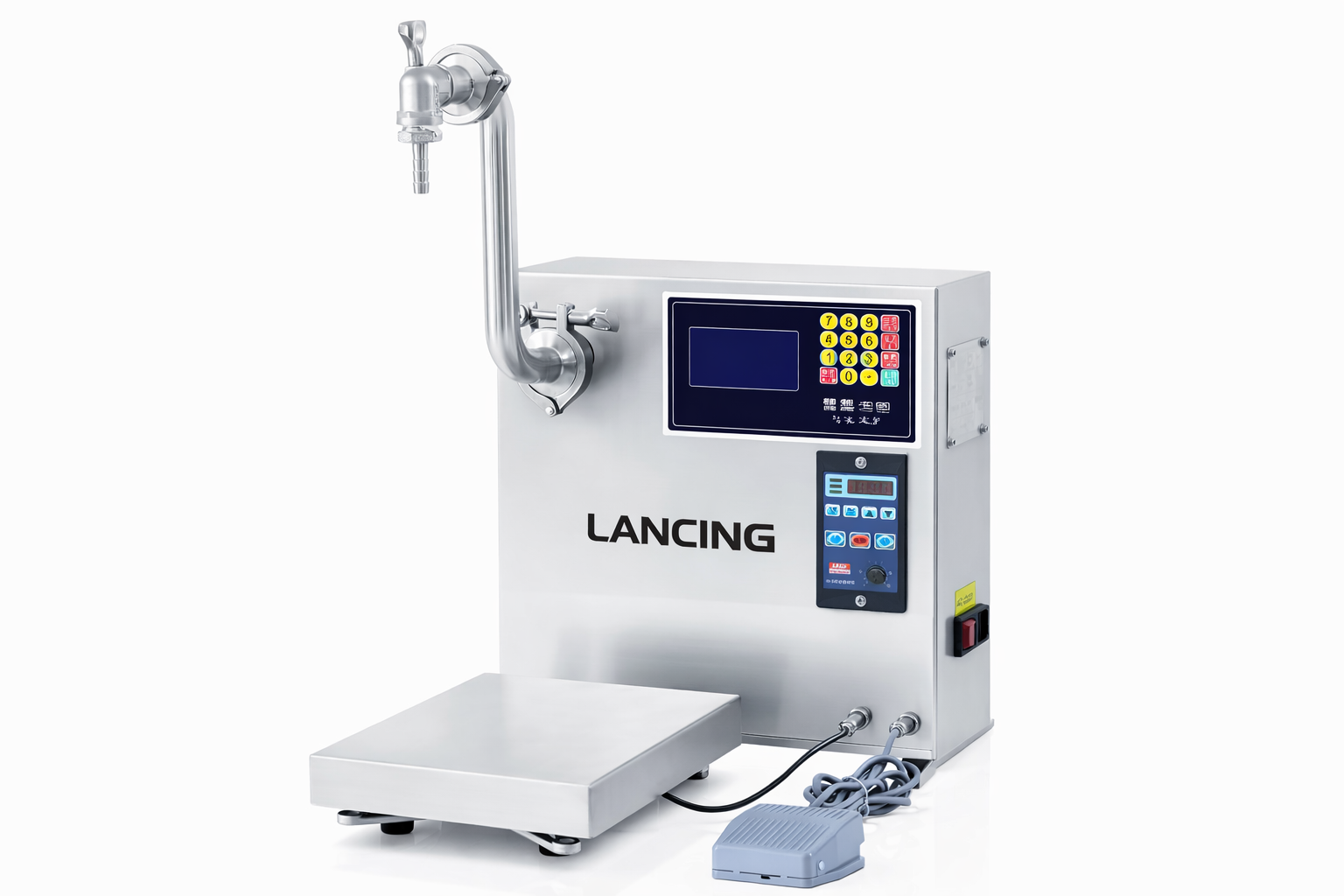
Operator-loaded bottle fillers for controlled, repeatable dosing without the footprint and bottle-handling complexity of a fully conveyorised line.
Explore Semi-Automatic Bottle Filling Machines
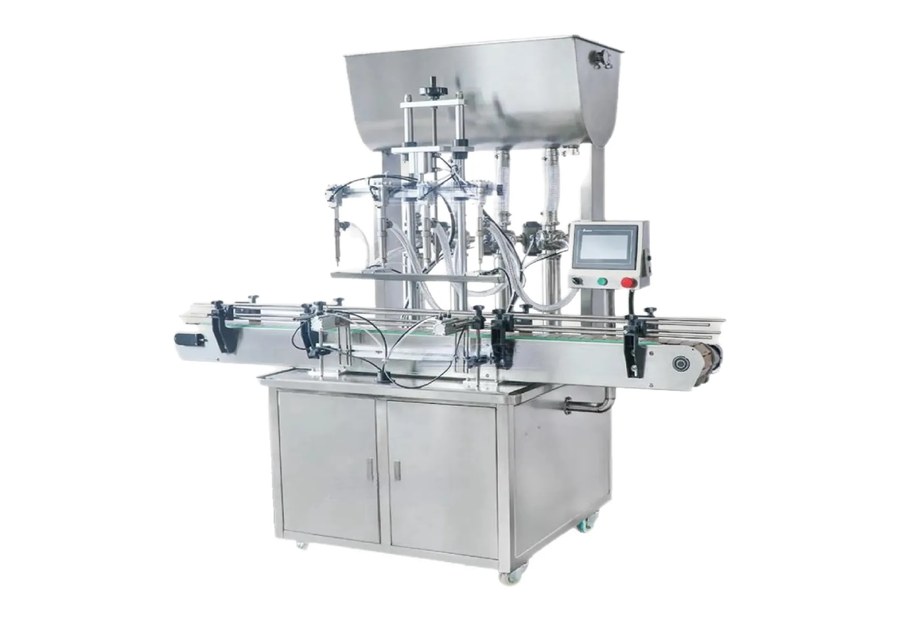
Conveyorised bottle filling equipment for repeatable production, using controlled bottle spacing, multi-nozzle dosing and interfaces for upstream and downstream machinery.
Explore Automatic Bottle Filling Machines
Positive-displacement bottle filling systems that meter a defined volume, with cylinder or dosing-module selection matched to the required fill range.
Explore Volumetric Bottle Filling Machines
Tubing-based filling for applications that benefit from a defined product-contact path, straightforward product changeover and precise control of smaller doses.
Explore Peristaltic Bottle Filling Machines
Pump-based fillers selected around liquid compatibility, flow behaviour and the required control method, from compact stations to automatic multi-pump lines.
Explore Gear & Diaphragm Pump Bottle Fillers
Bottle filling systems that target a uniform visible level, often chosen for clear rigid bottles where presentation across the finished pack is important.
Explore Overflow & Vacuum Bottle Filling Machines
Chemical filling projects need the tank, pump, tubing, valves, seals and nozzles treated as one product-contact system, with separate assessment for operator exposure and hazardous areas.
Explore Corrosive Chemical Bottle Filling Machines
Compact filling equipment for small containers where low dose, narrow openings, bottle stability and clean nozzle cut-off drive the machine design.
Explore Small Bottle Filling Machines
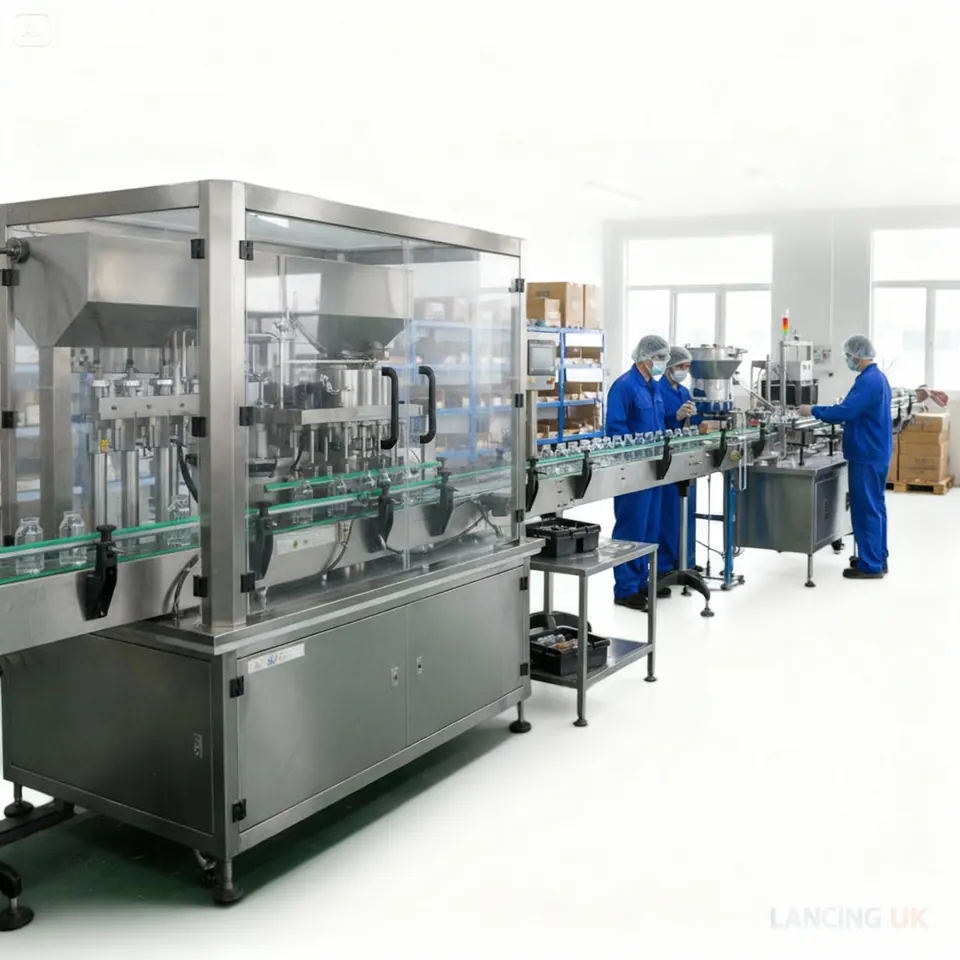
Integrated bottling systems planned around the product, bottle, closure and target output rather than treating the filler as an isolated machine.
Explore Complete Bottle Filling LinesSelection sequence
Keep the selection process anchored to representative samples and measurable production requirements.
Record viscosity, foam, particles, temperature, density and compatibility.
List every bottle, neck, closure, label and declared volume.
Define batches, output, operators, shifts, changeovers and cleaning.
Agree trials, line interfaces, acceptance criteria and documentation.
Questions
The most common early-stage range questions.
Compare them using the actual product, complete fill range, bottle and closure set, output target, cleaning method, changeover time, utilities and connected machinery. A headline speed alone is not a reliable comparison.
Yes. The range covers free-flowing liquids, foaming liquids, oils, creams, gels, sauces, pastes, small doses and selected aggressive chemicals.
Product and bottle trials are often the best way to confirm nozzle behaviour, foam, stringing, cycle time and clean-down. The trial scope and acceptance criteria should be agreed in advance.
Lancing Ltd can compare the practical bottle filling routes and confirm the right next step before quotation.