Product behaviour
Viscosity, foaming, surface tension, particles and temperature can alter the most suitable pump, valve and nozzle profile.

Bottle filling machinery
Bottle fillers for water-like liquids, oils, detergents, cosmetics and other pourable products, selected around viscosity, foam, drip control, bottle stability and output.
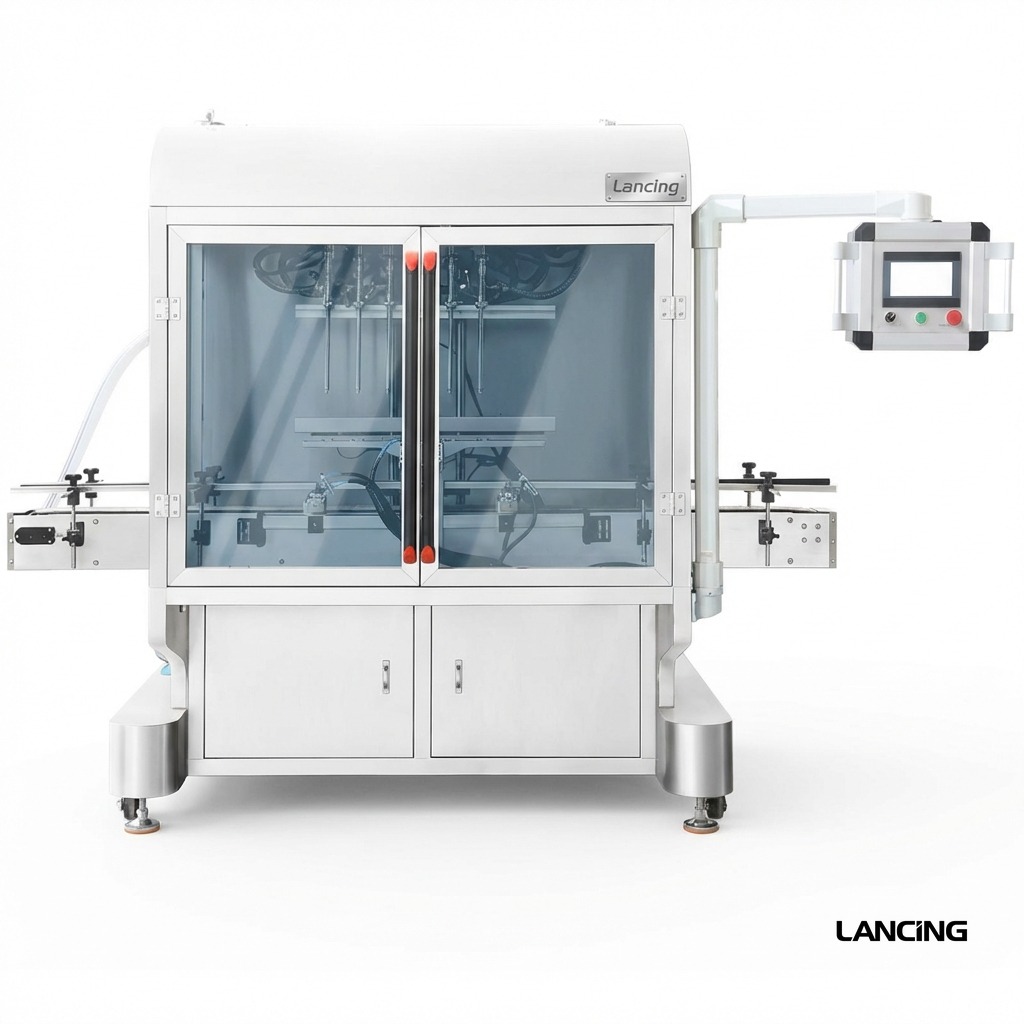
Application fit
The machine should be selected as a complete product-and-pack system, not from fill volume alone.
Specification priorities
The same nominal fill volume can require a very different solution when product behaviour, pack geometry or cleaning changes.
Viscosity, foaming, surface tension, particles and temperature can alter the most suitable pump, valve and nozzle profile.
Bottle diameter, height, neck opening and stability determine guides, sensors, gating and nozzle alignment.
Confirm wetted materials, seal compatibility, hygiene standard and the required cleaning or flush procedure.
State bottle size, bottles per minute, batch size, changeover frequency and any future line expansion.
Filling routes
Use the filling principle as a shortlist, then verify it with the actual formulation and representative bottles. Headline technology names do not replace product trials.
| Configuration | Practical role |
|---|---|
| Timed-flow or pump filling | A practical route for many free-flowing liquids where flow rate and time are controlled. |
| Volumetric piston filling | Positive displacement for repeatable doses across liquids and more viscous products. |
| Peristaltic filling | Product remains within selected tubing, useful for smaller doses and controlled product contact. |
| Overflow or vacuum filling | Fills rigid bottles to a consistent visible level rather than targeting only a dispensed volume. |
Typical products
These examples indicate where the route may be considered; the actual product and container still need to be reviewed.
A potential application for liquid bottle fillers, subject to product and pack assessment.
A potential application for liquid bottle fillers, subject to product and pack assessment.
A potential application for liquid bottle fillers, subject to product and pack assessment.
A potential application for liquid bottle fillers, subject to product and pack assessment.
A potential application for liquid bottle fillers, subject to product and pack assessment.
A potential application for liquid bottle fillers, subject to product and pack assessment.
Project route
A structured review prevents the filler, bottle control and downstream machines from being specified in isolation.
Confirm viscosity, foam, particles, temperature, compatibility and cleaning.
Review bottles, necks, closures, labels and stability using representative samples.
Agree batch size, target rate, operators, changeovers and future growth.
Freeze layout, interfaces, utilities, guarding, tests, installation and training scope.
Related planning
Use these pages to compare adjacent machine routes and prepare a more accurate enquiry.
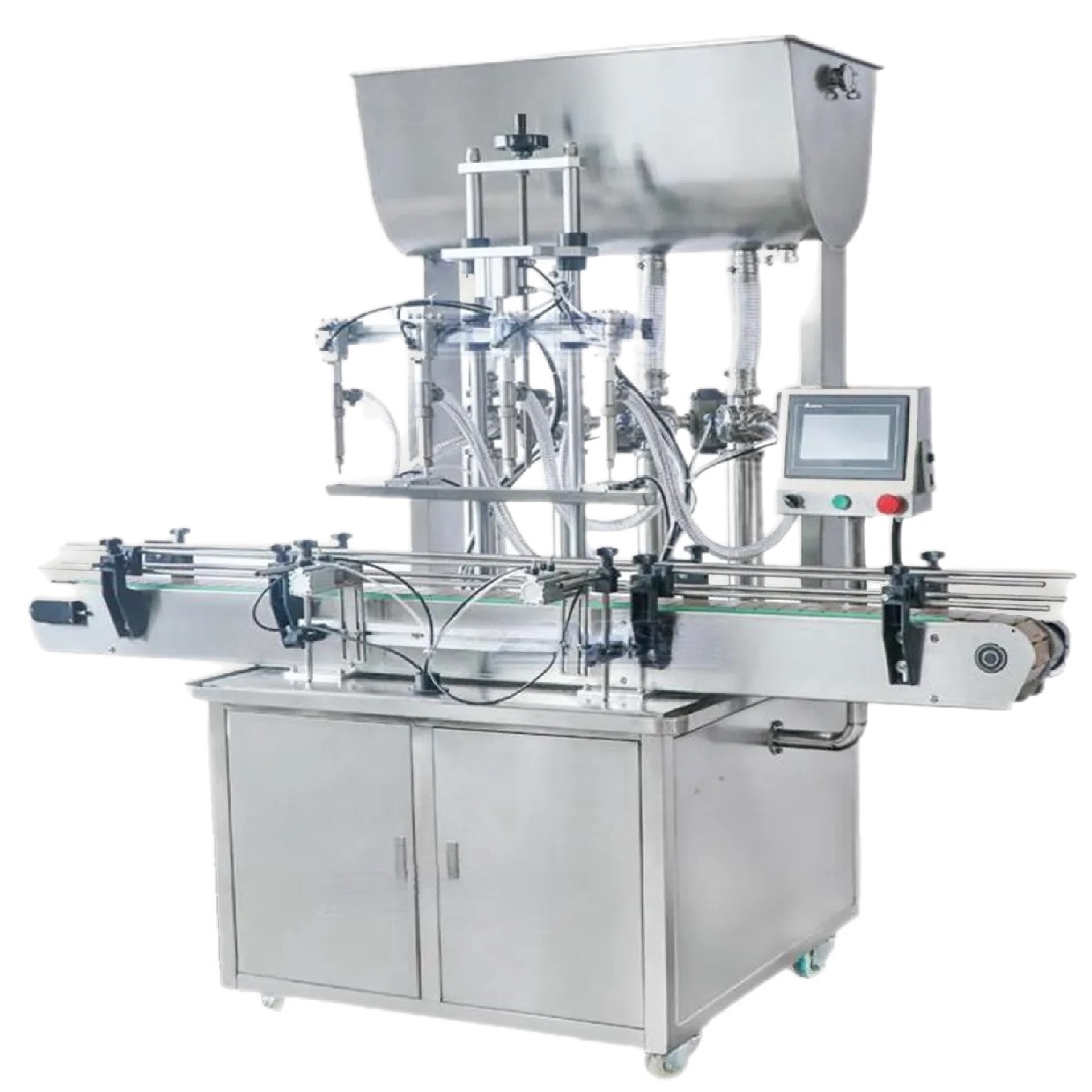
Measured positive-displacement dosing for liquids through to creams.
Explore Volumetric bottle fillers
Electronically controlled pump filling for compatible liquids.
Explore Gear pump bottle fillers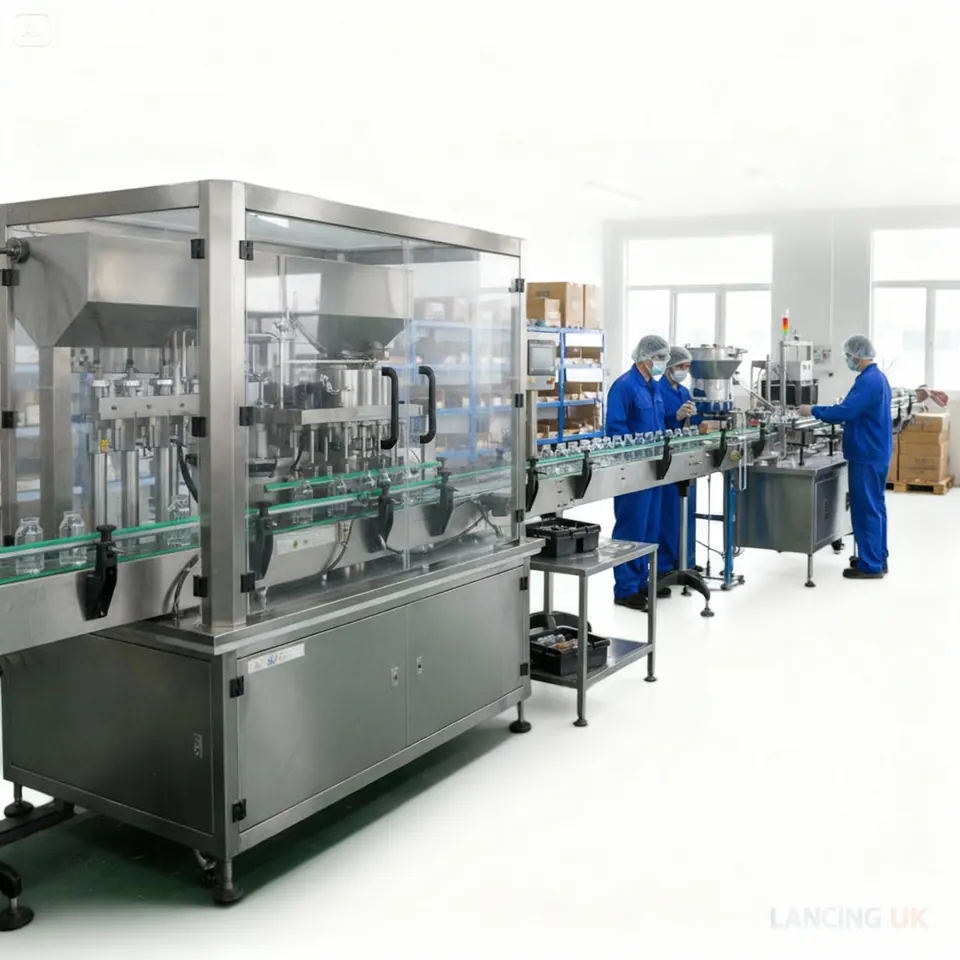
Connect bottle infeed, filling, closure and labelling.
Explore Complete filling linesQuestions
Practical answers for early project planning.
Pump, timed-flow, peristaltic and volumetric systems can all suit thin liquids. The decision depends on foam, dose range, product-contact requirements, output and how the bottle is handled.
A controlled flow profile, diving nozzle, correct nozzle diameter, slower initial fill and stable bottle gating can reduce aeration and splash. A product trial is the safest way to confirm the setup.
Often yes, within an agreed range. Change parts, guide adjustment, saved recipes and different nozzles may be required. The bottle set should be reviewed before quotation.
It can be possible, but conveyor height, width, speed control, bottle spacing, sensor positions and interfaces with upstream and downstream equipment must be checked.
Lancing Ltd can compare the practical bottle filling routes and confirm the right next step before quotation.
Bottle interface
Thin and medium-flow liquids can make bottle handling look simple, but splash, foam, air entrainment and neck contamination often become the practical limits. The bottle geometry and required fill presentation should be checked alongside the dosing method.
Confirm the usable neck diameter, shoulder angle and space for the nozzle without contacting the pack.
Decide whether a controlled slow–fast–slow profile or nozzle movement is needed to manage splash and foam.
Define the acceptable fill presentation and how cleanly the nozzle must stop before the bottle moves to capping.
These guides isolate the pack variables that can change an otherwise suitable filling-machine route.
Free-flowing liquid route
For suitable still liquids that flow predictably, controlled gravity delivery can offer a practical route. The decision still depends on supply head, product temperature, foam, bottle neck, cut-off and whether acceptance is based on quantity or visible level.
Gravity delivery and overflow level control are not the same decision. Use representative product and bottles to compare the actual finished result.
Liquid filling questions
The product path, bottle neck and supply condition should be evaluated together before a liquid filler is sized.
Nozzle bore influences flow velocity, back-pressure, splash, foam, fill time and the clearance available at the bottle neck. A larger opening may reduce restriction but can be unsuitable for a narrow neck or increase surface disturbance; a smaller opening may slow the cycle or increase product velocity.
Select the bore using production product and the smallest bottle opening rather than a catalogue rule.
Bottom-up filling can be useful when lowering the nozzle into the bottle and withdrawing it with the rising product reduces free fall, splash or foam. It is not a universal cure: insertion depth, bottle position, product aeration, withdrawal profile and neck clearance all need a representative trial.
The nozzle must not strike the bottle or become submerged in a way that creates an unwanted drip or contamination risk.
Product-feed stability matters because changing liquid level, pressure, temperature, pump condition or entrained air can alter the flow reaching the dosing device and nozzle. The filling method may compensate for some variation, but the acceptable supply window must be defined and tested.
Record the tank, pump, hose and return arrangement used during trials so the production setup can reproduce it.
Yes. Trapped or entrained air can change apparent volume, interrupt pump priming, create bubbles in the bottle and make a visual or immediate weight check misleading. The remedy depends on how the air enters, whether the product releases bubbles over time and how the dosing principle reacts.
Do not compensate by changing the set point until the product path and measurement timing have been checked.
Additional liquid-filling decisions
Liquid filler performance depends on the product route before the nozzle and the bottle-handling task after it.
Control level, air, temperature, pressure and refill events so the filler receives consistent product.
Read the supply guideCompare pump, piston, gravity, net-weight and automatic routes for heavier multi-litre packs.
Compare five-litre routesReview foam, viscosity, diving nozzles, triggers, pumps and product-supply aeration.
Read the application guideAdditional specification routes
If the product is filled hot, heated or at a tightly controlled temperature, confirm how temperature changes viscosity, foam and bottle condition before selecting the dosing route.
Read the hot-fill bottle filling guideUse real production bottles to verify neck centring, wall movement, base stability and transfers through the filler.
Compare bottle materialsBeyond a water trial
A clear-liquid demonstration establishes only the behaviour it actually reproduces. For a juice or still-drink project, state whether the production product foams, contains pulp or runs at a controlled temperature. Include the real bottle and closure so the trial covers neck condition and the next transfer as well as dispensing.
Use the juice and still-drink filling page to separate the filling operation from the food-safety process. A filler recommendation should not be read as a shelf-life or aseptic-process approval. Where quantity will be checked by weight after closing, define the packaging present and its tare using the filling and checkweighing comparison.