Bottle rigidity
The container must withstand the selected filling method without panel distortion or collapse.

Bottle filling machinery
Bottle filling systems that target a uniform visible level, often chosen for clear rigid bottles where presentation across the finished pack is important.

Application fit
The machine should be selected as a complete product-and-pack system, not from fill volume alone.
Specification priorities
The same nominal fill volume can require a very different solution when product behaviour, pack geometry or cleaning changes.
The container must withstand the selected filling method without panel distortion or collapse.
Nozzle seal and bottle finish need to work together to establish a repeatable level.
Overflow systems may return excess liquid, so the return path, aeration and product handling must be planned.
Fill height can look consistent even where bottle internal volume varies; confirm legal and process requirements separately.
Filling routes
Use the filling principle as a shortlist, then verify it with the actual formulation and representative bottles. Headline technology names do not replace product trials.
| Configuration | Practical role |
|---|---|
| Nozzle seal | The filling head seals at the bottle neck to establish the operating condition. |
| Level tube | The nozzle geometry sets the final visible level in the bottle. |
| Excess return | Displaced or excess liquid is routed back through the filling system where applicable. |
| Bottle release | The head lifts or the bottle is released after the target level has stabilised. |
Published reference
These figures describe a cited source configuration, not every machine available for this application.
Reference configuration only: published capacities and specifications below are taken from a representative published source page. Product testing, bottle geometry, fill volume, number of heads and line conditions determine the final specification.
Typical products
These examples indicate where the route may be considered; the actual product and container still need to be reviewed.
A potential application for overflow / vacuum fillers, subject to product and pack assessment.
A potential application for overflow / vacuum fillers, subject to product and pack assessment.
A potential application for overflow / vacuum fillers, subject to product and pack assessment.
A potential application for overflow / vacuum fillers, subject to product and pack assessment.
A potential application for overflow / vacuum fillers, subject to product and pack assessment.
A potential application for overflow / vacuum fillers, subject to product and pack assessment.
Project route
A structured review prevents the filler, bottle control and downstream machines from being specified in isolation.
Confirm viscosity, foam, particles, temperature, compatibility and cleaning.
Review bottles, necks, closures, labels and stability using representative samples.
Agree batch size, target rate, operators, changeovers and future growth.
Freeze layout, interfaces, utilities, guarding, tests, installation and training scope.
Related planning
Use these pages to compare adjacent machine routes and prepare a more accurate enquiry.
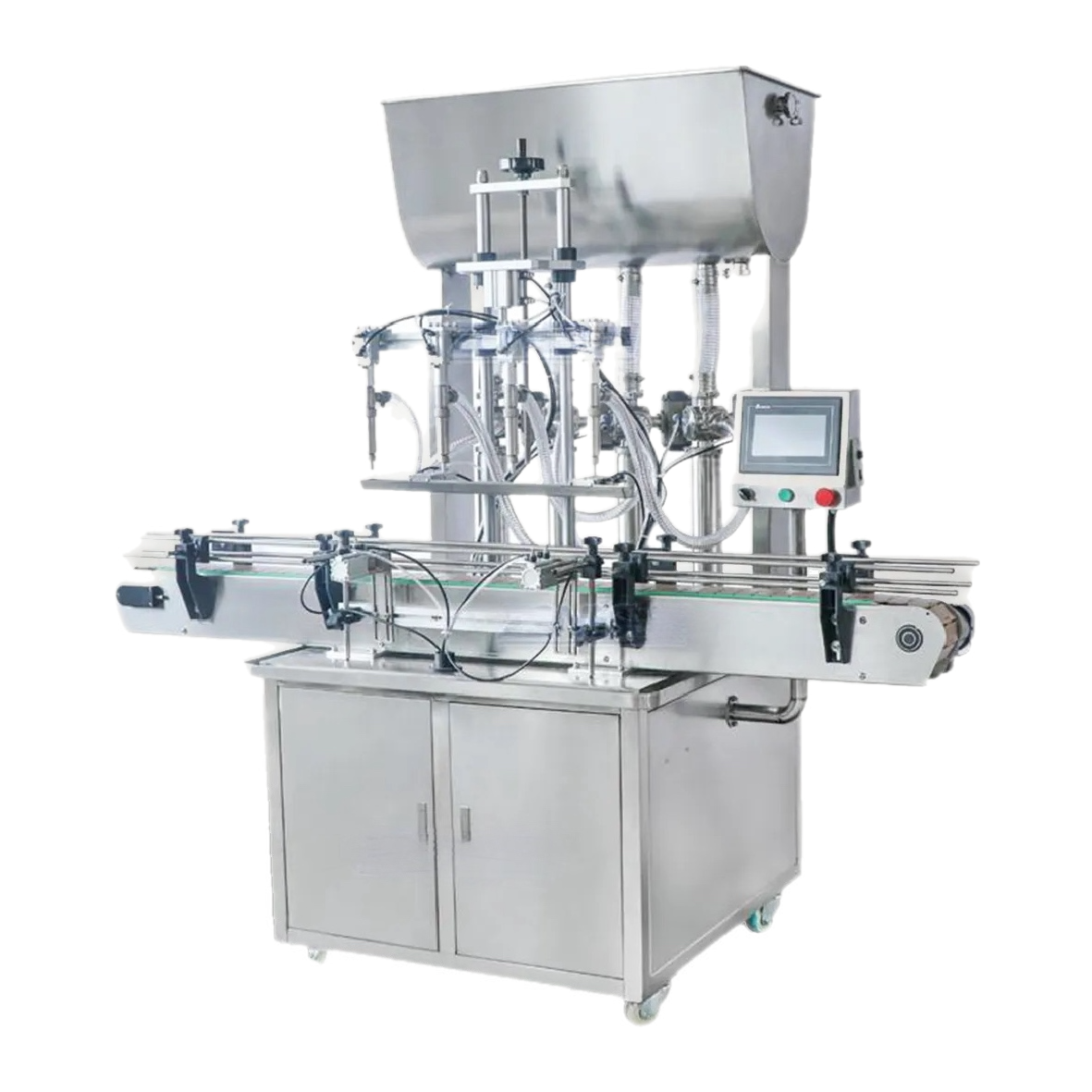
Turn product, pack and output requirements into a useful shortlist.
Explore How to choose a bottle fillerCompare labour, output, changeover and line-integration trade-offs.
Explore Semi-auto vs automatic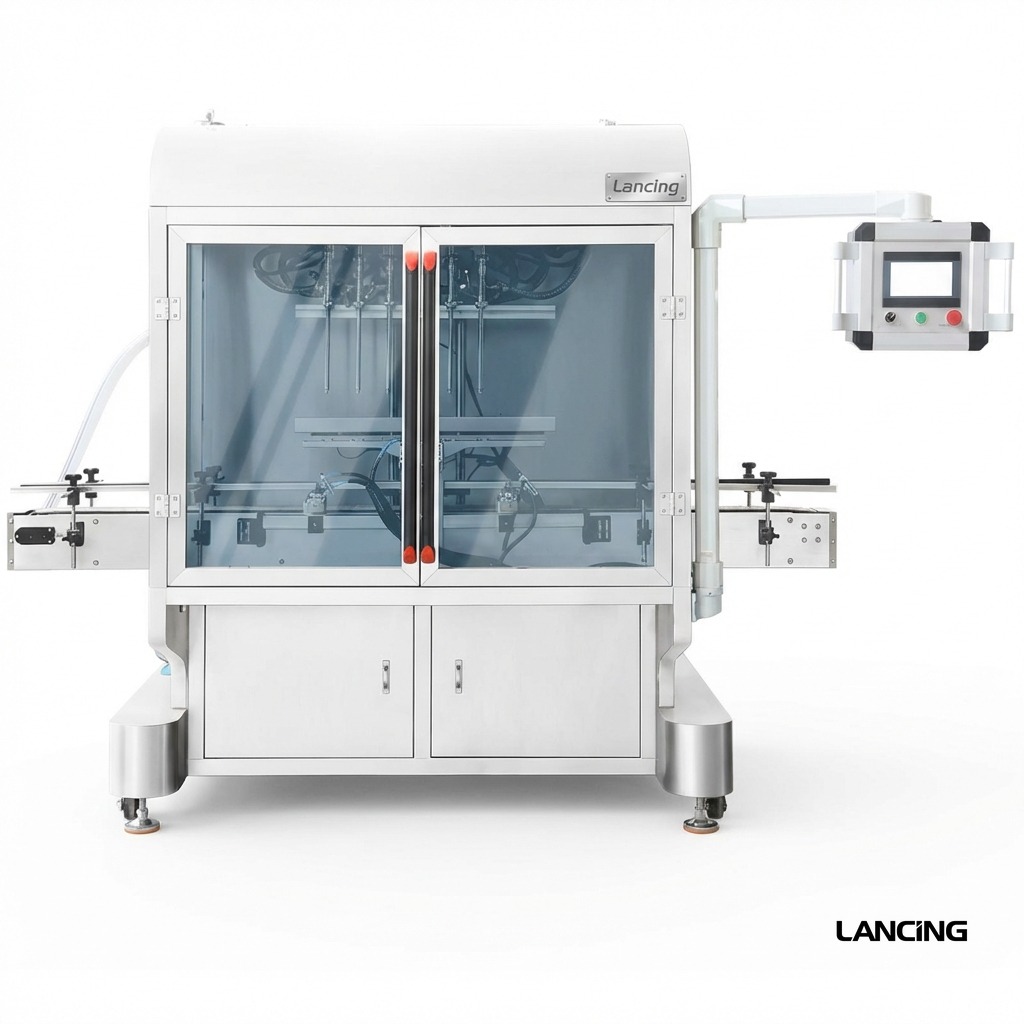
Browse industry and product-led selection guidance.
Explore Bottle filling applicationsQuestions
Practical answers for early project planning.
The process aims for the same visible liquid height in each rigid bottle. This differs from a purely volumetric process, which aims to dispense the same measured volume.
Flexible or thin-walled containers may distort under the operating conditions, so bottle rigidity and sealing performance must be tested.
Not necessarily. Bottle manufacturing variation can change internal volume. Where declared volume is critical, the filling and verification method must meet the relevant requirements.
They are often associated with glass because it is rigid and visually transparent, but suitable rigid plastic bottles may also be considered after testing.
Lancing Ltd can compare the practical bottle filling routes and confirm the right next step before quotation.
Level filling and bottle suitability
Fill-to-level methods can give an even shelf appearance in suitable containers, but bottle capacity variation, rigidity and neck sealing affect the returned volume and final quantity. The project must define whether visible level, volume or weight is the primary acceptance measure.
Confirm that the container can withstand the process and maintain a repeatable neck seal.
Review how mould, wall and base variation change the quantity when the visible level is held constant.
Define product recovery, recirculation, hygiene and the effect of aeration or contamination risk.
These guides isolate the pack variables that can change an otherwise suitable filling-machine route.